
Loud noise exposure and aging are two of the most common causes of hearing loss, and probably the causes that first spring to your mind when you think of the condition. While not as common, physical injuries to the ear can also damage your hearing.
How Do Physical Injuries Affect the Hearing System?
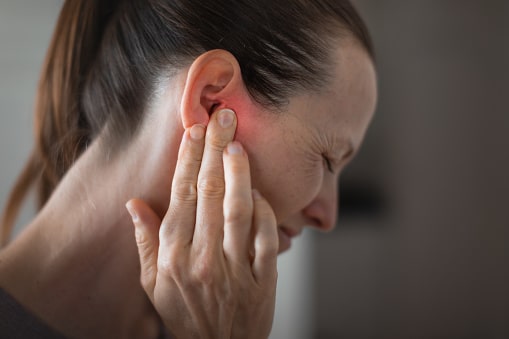
Your hearing relies on three structures in the ear: the outer ear, the middle ear and the inner ear. The outer ear collects sound waves, the middle ear turns them into vibrations and the inner ear converts those vibrations into electrical signals that your brain understands as sound.
The outer ear and middle ear are the most likely to suffer physical damage from an impact. Some types of ear injuries include:
- Cuts. Cuts arise on the outer ear, ear canal or eardrum, usually from scratching with your fingernail.
- Detached outer ear. Something like a car accident can cause the outer ear to pull away from the head. When you lose either part or all of the outer ear, it won’t be able to collect sound effectively.
- Cauliflower ear. Cauliflower ear arises after a hit like the kind you would sustain during an intense game of football in Fain Park. After the hit, blood can pool under the skin of the outer ear, cutting off the blood supply and causing cartilage to die.
- Fractures. With enough force, you can fracture the tiny bones in the middle ear, called the ossicles. The ossicles amplify vibrations from the eardrum. When they can’t function properly, sound may appear muffled.
- Ruptured eardrum. A ruptured or torn eardrum usually arises when it’s poked forcefully with a finger or cotton swab, or when it’s exposed to sudden pressure changes or loud noise.
Identifying and treating middle and outer ear injuries early will help prevent lasting hearing loss.
Identifying Ear Injuries
A few signs of a middle or outer ear injury include:
- Muffled hearing
- Dizziness or balance issues
- Earaches
- Bleeding from the ear
- Ringing in the ears
- Headache
If you notice any of the above signs, schedule an appointment with your hearing specialist immediately.
Treating Ear Injuries
After identifying the type and severity of your ear injury, your hearing specialist will recommend one or more of the following:
- Stitches. If you have deep cuts or torn cartilage, we may need to use stitches or surgical glue to repair the damage.
- Reconstructive surgery. Severe damage to the outer ear may require reconstructive surgery to reshape the tissue.
- Blood draining. If you have cauliflower ear or are at risk of developing it from blood pooling, we may make a small incision in the ear to drain the blood.
- Ossiculoplasty. Ossiculoplasty is a surgery to repair damage to the ossicles in the middle ear.
- Tympanoplasty. If you have a ruptured eardrum that doesn’t heal on its own, we may recommend a tympanoplasty, where we place a medicated patch over the eardrum.
If you notice signs of an ear injury, don’t wait to seek treatment. Contact Prescott Ear, Nose, Throat & Allergy today to schedule an exam with one of our specialists.